

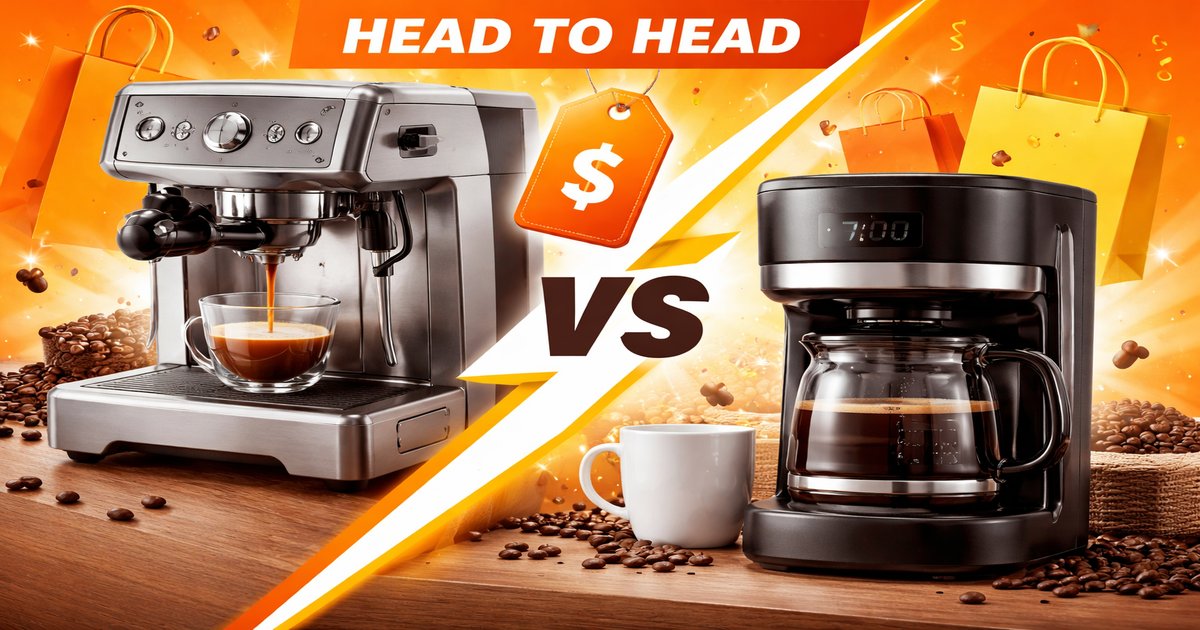
You’ve probably found yourself in the kitchen, overwhelmed by the number of cooking gadgets available. When it comes to meal prep, the Instant Pot and the traditional pressure cooker are two heavyweights that promise to make your life easier and your meals tastier. But which one really delivers on its promises without turning your kitchen into a science experiment?
| Feature | Instant Pot | Pressure Cooker |
|---|---|---|
| Cooking Modes | Multiple (Pressure, Slow Cook, Rice, Yogurt, Sauté) | Single (Pressure) |
| Price Range | $80 – $150 | $40 – $100 |
| Ease of Use | ✓ | ✗ |
| Programmable | ✓ | ✗ |
| Cooking Speed | Fast | Faster |
| Portability | ✗ | ✓ |
| Learning Curve | Low | High |
✅ instant pot Pros
- Versatile with multiple cooking functions.
- User-friendly with straightforward digital controls.
- Safe with automatic shut-off and pressure release.
❌ instant pot Cons
- Bulky and takes up significant counter space.
- More expensive than traditional pressure cookers.
- Requires electricity to operate.
✅ pressure cooker Pros
- Faster cooking times for certain dishes.
- More affordable and budget-friendly.
- Highly portable, can be used on any stove.
❌ pressure cooker Cons
- Steep learning curve for beginners.
- Limited to just pressure cooking.
- High chance of user error without proper knowledge.
Performance and Cooking Capabilities
The Instant Pot wins when it comes to versatility. It’s not just a pressure cooker; it’s your slow cooker, rice cooker, and even yogurt maker. For someone who loves experimenting with different recipes, this all-in-one device is a dream come true. On the other hand, a traditional pressure cooker is the Usain Bolt of cooking devices. It’s built for speed, and if you’re someone who wants to whip up a quick stew or pot roast, it’s faster but you’ll need to keep a close eye on it.
Build Quality and Safety Features
Instant Pots are built with modern safety features like automatic pressure release and locking lids, making them pretty foolproof. A traditional pressure cooker, however, relies more on user intuition and experience. If you’re not careful, you could end up with a kitchen disaster. In terms of build, Instant Pots are robust but bulky, while traditional pressure cookers are lighter and more compact, though they might feel less sturdy.
Value for Money
If you’re looking for a long-term investment, the Instant Pot is worth every penny, especially if you’ll use its multiple functions. It’s like getting several appliances in one. However, if you’re on a budget or only need it for occasional pressure cooking, a traditional pressure cooker will serve you well without burning a hole in your pocket. Just remember, the cheaper initial cost comes with a steeper learning curve.
The Instant Pot may seem foolproof, but if you’re not careful with the setting, you can easily overcook your food. Traditional pressure cookers demand respect; one wrong move and you could end up with a mess. Both require a bit of patience to master, but once you do, they’re invaluable kitchen allies.
Our Final Verdict: Which One Should You Buy?
If you’re a kitchen multitasker who loves to experiment with different types of cooking, the Instant Pot is your best friend. It’s perfect for busy individuals who want to set it and forget it. On the other hand, if you’re someone who prioritizes speed and affordability and doesn’t mind a little more hands-on effort, go for the traditional pressure cooker. It’s ideal for those who enjoy the hands-on cooking process and don’t mind a steeper learning curve.
Can I use the Instant Pot as a traditional pressure cooker?
Yes, the Instant Pot has a pressure cooking function, which works similarly to a traditional pressure cooker but with additional safety features and convenience.
Are pressure cookers safe to use?
Modern pressure cookers have safety features like pressure release valves, but they require careful attention and understanding to use safely.
How long does each option last?
Both can last several years with proper care. However, Instant Pots have more electronic components, which might need more frequent maintenance.